
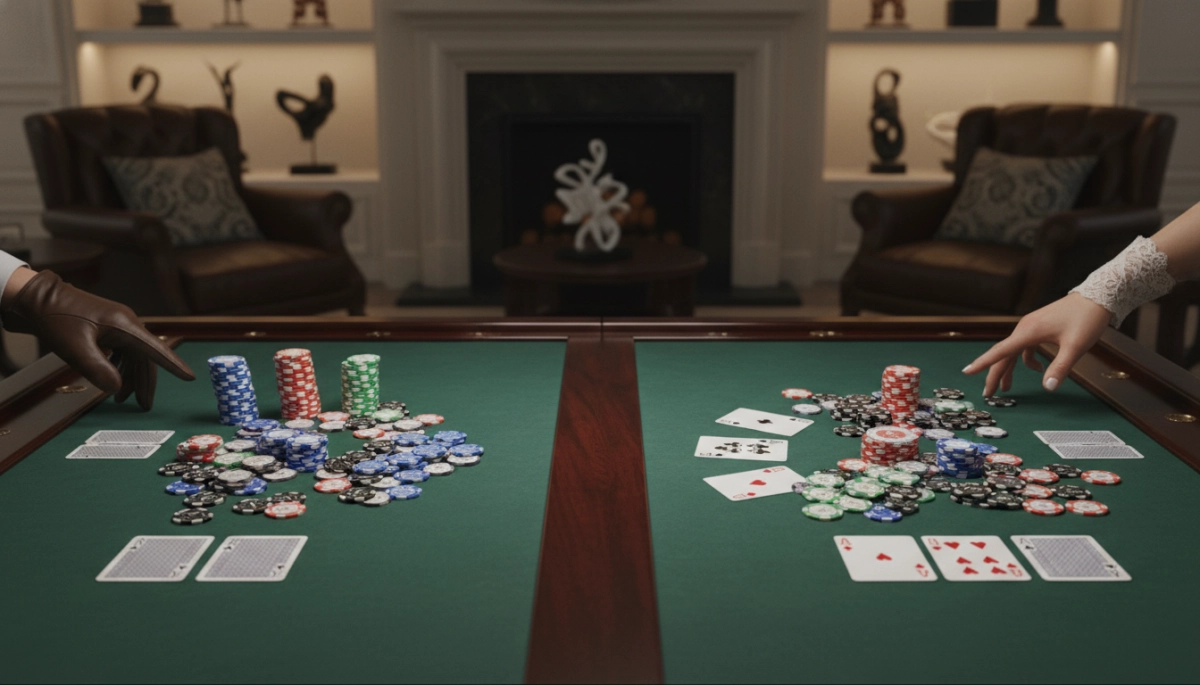
How heads-up and multiway pots change your decision-making
When you sit down to a hand, the number of opponents at the table isn’t just a number — it reshapes every range, equity calculation, and risk assessment you make. In heads-up pots you’re often targeting immediate fold equity, simpler ranges, and higher variance bluffs. In multiway pots you’re defending wider, valuing showdown-worthy hands more highly, and avoiding large bluffs into multiple players.
You should start by recognizing the two core differences: scope of ranges and equity dynamics. Heads-up play compresses opponent ranges and increases the frequency that marginal hands gain value. Multiway situations widen effective ranges and make absolute hand strength (pairs, two pair, sets) more important because more callers reduce the success rate of multi-street bluffs.
Aligning your preflop ranges and position strategy
Your preflop framework must change depending on whether you’ll likely face one opponent or several. Use position aggressively heads-up and favor dynamic hands that play well postflop; against multiple opponents, prioritize hand combinations that have strong showdown value and can make big hands.
- Heads-up openings: You can open much wider in late position and use more pressure. Hands like K9s, A5o, and suited connectors increase in value because you can isolate and apply pressure on later streets.
- Multiway openings: Tighten slightly and fold speculative hands out of position. Suited connectors are still playable, but you should prefer hands that make top pair or better more consistently, like Ax and broadway cards.
- 3-bet and isolation choices: Heads-up, 3-betting for position or as a bluff is more profitable because a single opponent is easier to fold. In multiway, 3-betting for value is preferred; bluff 3-bets lose potency when another player can call behind.
Early postflop thinking: equities, pot control, and bet sizing
Once the flop hits, your thought process should follow three quick checkpoints: relative equity, opponent tendencies, and pot control requirements. In heads-up pots you’ll fold less often with decent equity and use a wider range of continuation bets because fold equity is higher. In contrast, multiway pots require you to protect your equity and often check back marginal hands to control the size of the pot.
- Equity awareness: Estimate how often your hand is best against one opponent versus several. Two pair on a dry board might be a lock heads-up but vulnerable multiway.
- Bet sizing rules: Use larger sizing heads-up to maximize fold equity and narrower sizing multiway to avoid bloating the pot when you’re likely behind to at least one player.
- Range simplification: Against many opponents simplify to “value or fold” decisions; against one opponent you can mix in bluffs and semi-bluffs more liberally.
Those early adjustments set the structure for deeper postflop play, including how you construct turn/river frequencies, choose exploitative lines, and balance ranges; next you’ll examine concrete postflop lines, balancing and exploitation techniques, and how to convert theoretical ranges into actionable plans at the table.
Constructing turn and river frequencies: when to protect, polarize, or merge
After the flop decision, the turn is where many hands live or die. Your objective should be to translate your flop plan into turn/river frequencies that accomplish one of three things: protect your equity, polarize your range to extract value or fold out equity, or merge your range to keep opponents guessing. Which path you choose depends on opponent count, stack sizes, and board texture.
- Protect vs multiway: In multiway pots, prioritize protection. If the turn increases the number of realistic two-pair/straight/flush combinations, shift toward smaller, more frequent value bets and check-calls with medium-strength hands. Overbetting to “fold out equity” is rarely effective when multiple players remain.
- Polarize heads-up: Heads-up you can polarize more often. Use larger turn sizes with strong hands and bluffs that have equity (e.g., backdoor draws). Polarization forces opponents to make mistakes — folding the best of their worse hands or calling with hands you crush.
- Merge when necessary: On wet boards where showdown value is common, merging (betting medium with both strong hands and some top-pair/weak-two pairs) can prevent opponents from easily exploiting you. This is especially useful versus aggressive players who will bluff-turn frequently.
Practical frequency rules to carry to the table:
- Heads-up: increase turn bet frequency by ~15–25% compared to multiway situations; include a healthy portion of semi-bluffs with two-way equity.
- Multiway: reduce multi-street bluffing drastically; favor check-calling thin value and bet-sizing capped to 1/3–1/2 pot to control commitment.
- River: default to value-heavy lines in multiway pots; heads-up you can maintain balanced bluffs (~20–30% of your river betting range) when blocker and line allow.
Exploitative adjustments and converting theory into hands-on plans
Equilibrium strategies are templates, not prescriptions. The best players blend theory with reads. Convert ranges into practical plans by categorizing opponents and mapping simple countermeasures you can execute without complex math.
- Tight-passive opponents: Exploit by increasing continuation bet frequency heads-up and sizing to deny cheap turns. Against these players multiway, cut down bluffs and value-bet thinner because they call too rarely.
- Loose-callers: Reduce bluff frequency and target value extraction. Use polar lines less frequently; instead, bet more often for value on turn/river with strong and medium-strength hands.
- Aggressive bluffers: Use induced bluffs. Check more often with decent hands heads-up to let them barrel off; in multiway pots, avoid giving aggressive players extra barrels by controlling pot size unless you have clear showdown value.
Turn these concepts into table-ready habits:
- Predefine three hand buckets for each street: strong (value), medium (protection/merge), weak (bluff/semi-bluff). Assign default actions per bucket conditioned on heads-up vs multiway.
- Use blocker awareness: when you hold card(s) that reduce opponent strong hands, increase bluff frequency heads-up; in multiway pots, blockers rarely justify large bluffs.
- Adopt simple sizing rules: larger sizes to maximize fold equity heads-up, smaller to control pots multiway; adjust by one step for extreme stacks or dynamite players.
By building these compact rules into your game, you make optimal tendencies actionable: you don’t need to solve the entire range in real time — you need a reproducible pattern that adapts to opponent type and the number of players in the pot.
Putting advanced tactics into practice
Theory matters only when it becomes habit. The difference between knowing advanced heads-up and multiway concepts and actually profiting from them is structured practice, focused review, and gradual adjustments based on real-game feedback. Use small, repeatable drills and a simple session checklist to turn the frameworks you’ve learned into automatic reactions at the table.
Practice drills
- Heads-up isolation drill: Play short heads-up stacks (10–20 hands) from late position, forcing yourself to widen opening ranges and practice larger sizing. Review hands where you folded medium-strength hands; note missed value and missed bluffs.
- Multiway pot equity drill: In cash or simulated hands, identify 20 multiway pots and calculate approximate equity for your showdown hands. Practice choosing check-call vs bet sizing based on those equity estimates.
- Turn/river frequency drill: Take 30 hands and tag each turn decision as protect, polarize, or merge. Later, review whether each choice achieved the intended fold equity or value extraction.
- Blocker-aware bluffing: Over a session, mark all river bluffs you attempted with blockers and compare success rate vs non-blocker bluffs. Adjust bluff frequency accordingly.
Session checklist
- Before session: set a clear goal (e.g., “Increase heads-up 3-bet bluff frequency by one size increment”).
- During session: mentally bucket hands each street (strong/medium/weak) and execute your default action for that bucket.
- After session: review 10 hands — focusing on multiway spots and any large river decisions — and note one concrete adjustment for next session.
- Track tilt and stack-size drift; stop when emotional decisions exceed a preset threshold.
Further study and tools
- Use hand-analysis tools to validate frequencies and to practice equity calculations off the table. If you want structured video lessons and drills, consider paid training platforms like Run It Once study resources.
- Keep a simple database of recurring exploitative tendencies you observe in opponents and update it weekly.
Mastery is iterative: pick one adjustment per week, measure it, and refine. Small, consistent improvements in how you treat heads-up and multiway dynamics compound quickly — more than any single perfect decision ever will. Stay curious, keep reviewing, and let practical repetition turn complex strategies into reliable edges.